

Solar Panels for Renters: Save Without Owning a Roof

Renting usually means you cannot make permanent changes to the property. It does not mean solar power is out of reach.
Solar panels for renters can help reduce the electricity you buy from the grid during the day. A removable DIY solar system must be allowed at your address, approved by your landlord, and connected through a suitable electrical setup.
This guide explains how to check those requirements, ask for permission, protect your security deposit, estimate the potential savings, and take the solar panels with you when you move.
Can Renters Install Solar Panels?
Yes. Renters can install solar panels when the system is removable, the landlord approves the placement, local rules allow the connection, and the electrical setup is suitable.
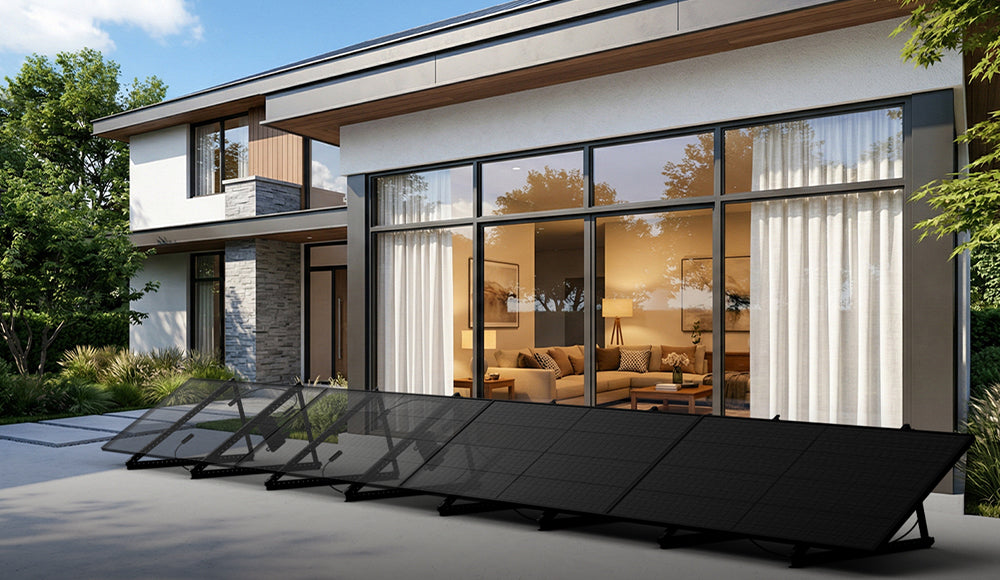
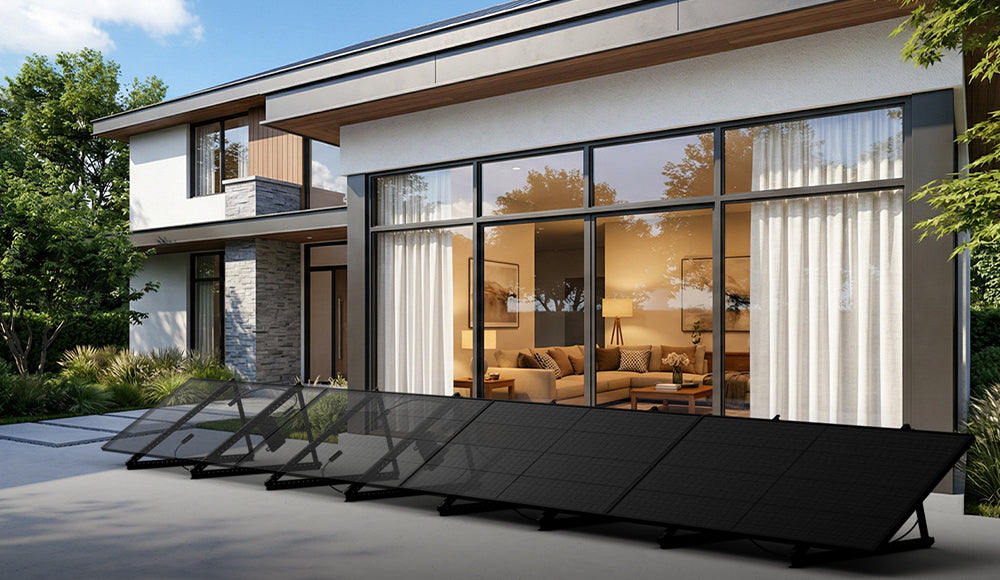
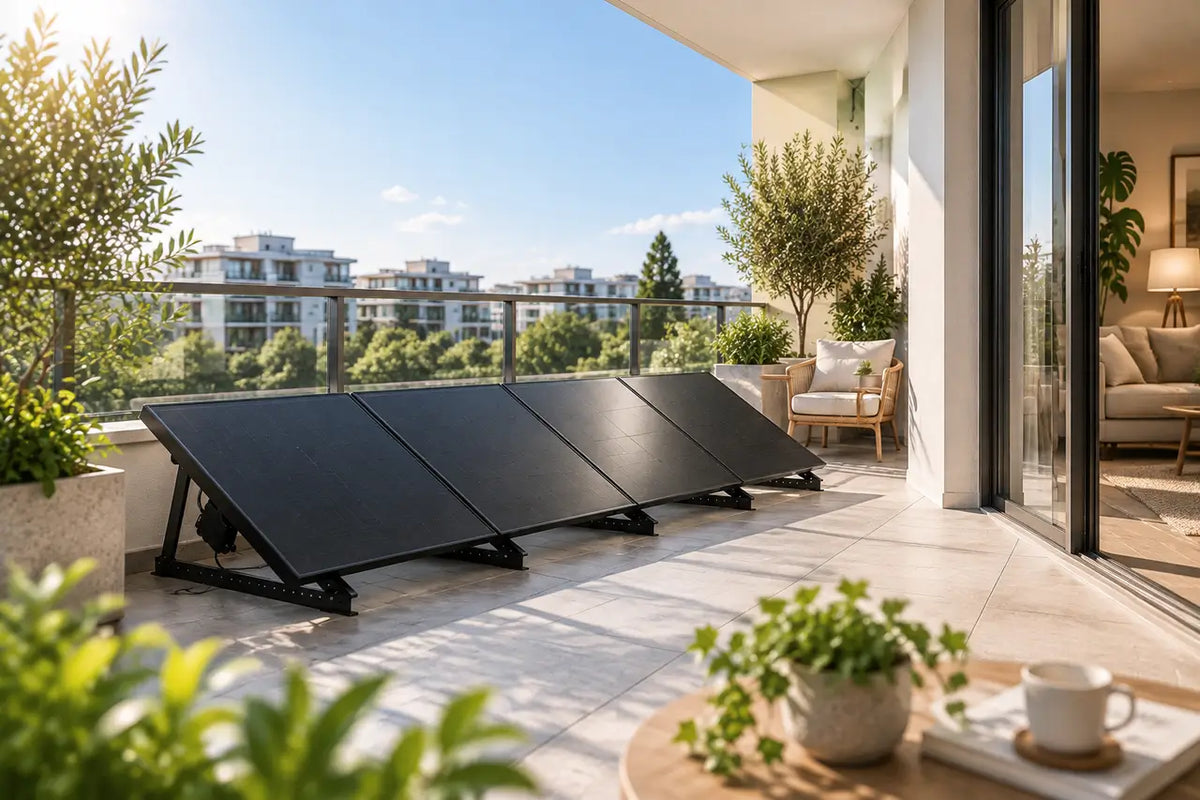
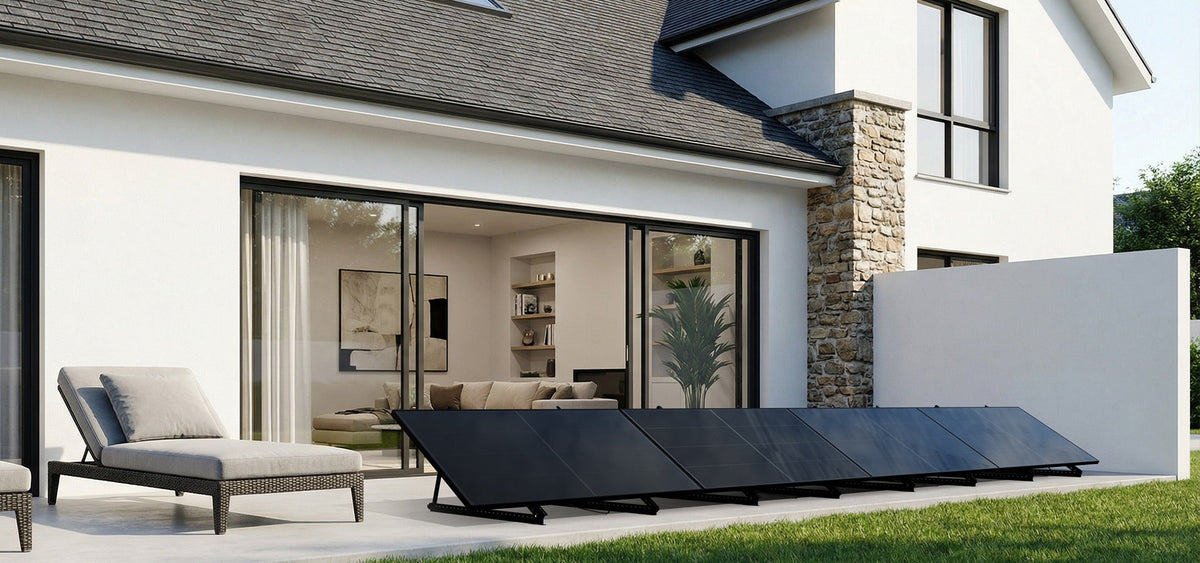
You do not need to own the roof. The panels may be placed in an approved outdoor area such as a balcony, patio, deck, garden, or yard.
However, removable does not mean permission is unnecessary. Your landlord or building may control what can be placed outside, whether equipment can be seen from the street, and whether anything can be attached to a wall or railing. Your electric utility may also require an application, inspection, Zero Export control, or permission to operate.
Before choosing a system, you need answers to three questions:
- Is plug-in solar allowed at your address?
- Will your landlord or building approve the actual placement?
- Can the system use a suitable electrical connection?
If the answer to all three is yes, solar may be a practical option even when you rent your home.

Can You Use Plug-In Solar Where You Live?
Plug-in solar rules depend on where you live. The tables below give you a quick first answer, but your electric utility must confirm what applies at your address before you connect the system.
United States
The United States does not have one plug-in solar rule for every home. Some states have created specific rules for qualifying systems, while other locations still use their existing solar interconnection or non-export process.
|
Where you live |
Can you use plug-in solar |
What you need to check |
|
Utah |
Yes, if the system qualifies |
The device must meet the state’s 1,200W limit and applicable product and safety requirements. Check the Utah plug-in solar guidance. |
|
Maine |
State law supports qualifying systems |
Maine has enacted a route for eligible plug-in photovoltaic systems with export capacity of 1,200W or less. Confirm the current utility process before connecting a system. Check Maine L.D. 1730. |
|
Vermont |
Yes, if the system qualifies |
Qualifying systems may have up to 1,200W of combined capacity and must be connected at a property using a smart meter. Check Vermont Act 149. |
|
Maryland |
No simplified statewide route confirmed |
A 2026 portable solar bill was withdrawn. Do not assume plug-in solar is approved under that proposal. Ask your utility about its existing interconnection or non-export process. Check the Maryland bill record. |
|
California |
Depends on current utility rules |
Ask PG&E, SCE, or SDG&E whether your address can use an existing interconnection or non-export process. A proposed law is not permission to connect a system. |
|
Other states |
Check before connecting |
Ask your utility whether it allows a plug-in photovoltaic system, whether Zero Export control is required, and whether you need a permit, application, inspection, or permission to operate. |
Your city or county may have additional electrical and building requirements. The U.S. Department of Energy permitting guide explains the general process, but it cannot replace an answer from the utility serving your rental.
Europe
European countries set their own limits, registration processes, electrical standards, and grid connection requirements. A rule that applies in Germany may not apply in France, Belgium, or another European market.
|
Country |
Can you use plug-in solar |
What you need to check |
|
Germany |
Yes, if the system qualifies |
Special rules apply to systems with no more than 2,000W of panel capacity and 800VA of total inverter output. Registration in the Marktstammdatenregister is still required. Check the Bundesnetzagentur balcony solar guidance. |
|
Austria |
Yes, up to 800W under the simplified route |
Notify the grid operator at least two weeks before operation. Check the E-Control mini-PV guidance. |
|
Belgium |
Depends on the region and equipment |
Check the regional grid operator, approved-product requirements, meter type, and registration process. Rules in Flanders do not automatically apply to Brussels or Wallonia. |
|
France |
Yes, with the required declaration |
Follow the Enedis self-consumption declaration process, including the requirements for a system configured not to export electricity. Check the Enedis guidance. |
|
Netherlands |
Registration is required |
Register the generating equipment with the grid operator and confirm that the inverter meets the applicable requirements. |
|
United Kingdom |
Check the current implementation status |
Confirm that the simplified plug-in solar rules and required product standards are in force before connecting a system. |
|
Ireland |
Use the current microgeneration process |
Confirm the applicable installer, notification, and grid connection requirements. Do not assume that another European country’s simplified plug-in rules apply. |
Choose the product version made for your market and electrical system. Do not order a U.S. 120V kit for use with a European 230V supply.
If plug-in solar is allowed at your address, you have cleared the first hurdle. The next approval comes from the person or organization that controls the rental property.
Local rules may allow the system, but your lease, landlord, or building can still limit where the panels sit, how they are secured, and whether electrical work is permitted. Before asking for approval, check what your lease already says.
Does Your Lease Allow Solar Panels?
Your lease may not mention solar panels by name. That does not mean it has nothing to say about the installation.
The relevant rules may appear under balcony or patio use, exterior equipment, property alterations, electrical work, safety, or damage. These terms can determine where the panels may sit, whether anything can be attached to the property, and what you must restore when you move.
Pay particular attention to rules covering:
- Equipment placed on a balcony, patio, deck, garden, or yard
- Items that can be seen from outside the building
- Attachments to walls, railings, floors, or exterior surfaces
- Changes to outlets, wiring, breakers, or the electrical panel
- Doors, walkways, drains, fire escapes, and emergency access
- Damage to the property and responsibility for repairs
- Work that must be completed by an approved contractor
For example, your lease may allow you to use the balcony but prohibit anything from being attached to the railing. In that case, a removable floor-supported setup may be easier to approve than a railing-mounted system.
The same distinction applies to electrical work. Having an outlet near the proposed panel location does not confirm that the circuit is suitable or that the building allows solar equipment to connect there. Any work involving the electrical panel, household wiring, breakers, Smart Gateway Lite, or current sensors may require the landlord’s approval and a qualified electrician.
If you cannot find a clear answer in the lease, do not assume that silence means permission. Ask the landlord or property manager to review the actual plan.
You do not need to send a long technical report. A photo of the proposed location, the position of the four panels, the mounting method, and the cable route will usually make the request much easier to understand.
Keep the final answer in writing. Clear approval gives you a plan to follow during installation and may help prevent disagreements about property damage or your security deposit when you move.
Once you know what the lease allows, you can prepare a request that answers the landlord’s most likely questions before they have to ask them.
How Do You Ask Your Landlord for Permission?
You may not need a long application. Many landlords simply want to know where the panels will go, whether the setup will damage the property, and what will happen when you move.
Send a photo of the proposed location with a short message:
Subject: Removable solar panels
Hi [Name],
I would like to place a removable four-panel solar setup on my [balcony/patio/deck/yard].
The panels will stand in the area shown in the attached photo. I will not drill into or permanently change the property without your permission, and I will remove the complete setup when I move.
Could you please confirm whether this is allowed?
Thank you,
[Name and unit number]
For many rentals, this may be enough to start the conversation.

If your landlord wants more information, send the panel dimensions, mounting method, cable route, product instructions, and details of any electrical work. A building or HOA may also have its own rules for equipment that can be seen from outside.
Make sure the final answer covers the actual location and mounting method you plan to use. Keep the approval with your lease records so you have something clear to follow during installation and removal.
What If Your Building or HOA Has Separate Rules?
Your landlord may say yes but still need to follow rules set by the building, property manager, condo association, or HOA.
This does not always mean another long application. Ask your landlord whether anyone else needs to approve the setup. If the answer is yes, send the same photo and short description you already prepared.
You can ask:
My landlord has approved the proposed solar panel location. Does the building or HOA have any additional rules I need to follow before setting it up?
The building may want to confirm that the panels:
- Do not block a walkway, drain, fire escape, or shared area
- Will not be attached to the railing or exterior wall without approval
- Can be secured safely in the proposed location
- Meet any rules for equipment visible from outside
If no separate approval is required, keep your landlord’s written response and move on to the installation checks.
If the building requests more information, provide only what it asks for. This may include the panel dimensions, placement photo, mounting method, cable route, product guide, or electrician’s details.
Once the location and mounting method are approved, the next step is checking whether the physical and electrical installation can be completed safely.
What If Your Landlord Says No?
A “no” does not always mean every solar setup is impossible. Ask what part of the plan concerns the landlord.
The problem may be easy to solve. For example:
- If drilling is the concern, ask whether removable floor stands are acceptable.
- If the panels would be too visible, suggest another approved location.
- If the proposed cable crosses a doorway, show a safer route.
- If the landlord is worried about electrical safety, offer to have a qualified electrician check the connection.
- If the building has its own rules, ask whether you can submit the plan for a separate review.
A short response is enough:
Thanks for letting me know. Could you tell me which part of the setup is not allowed? If the concern is the location, mounting method, or electrical connection, I may be able to revise the plan.
Some restrictions cannot be solved by moving the panels. The building may prohibit exterior equipment, the available area may be too small, or the electrical system may not support the connection.
Do not install the system without approval simply because it is removable. If the landlord’s concern can be addressed, send the revised plan and ask for a new written decision. If it cannot, you will know before spending money on equipment that cannot be used at the rental.

What Can a 1,200W Solar Kit Do in a Rental?
The MANGO POWER 1,200W solar kit can help cover the daytime electricity used by your refrigerator, Wi-Fi router, laptop, television, lights, chargers, and other everyday devices.
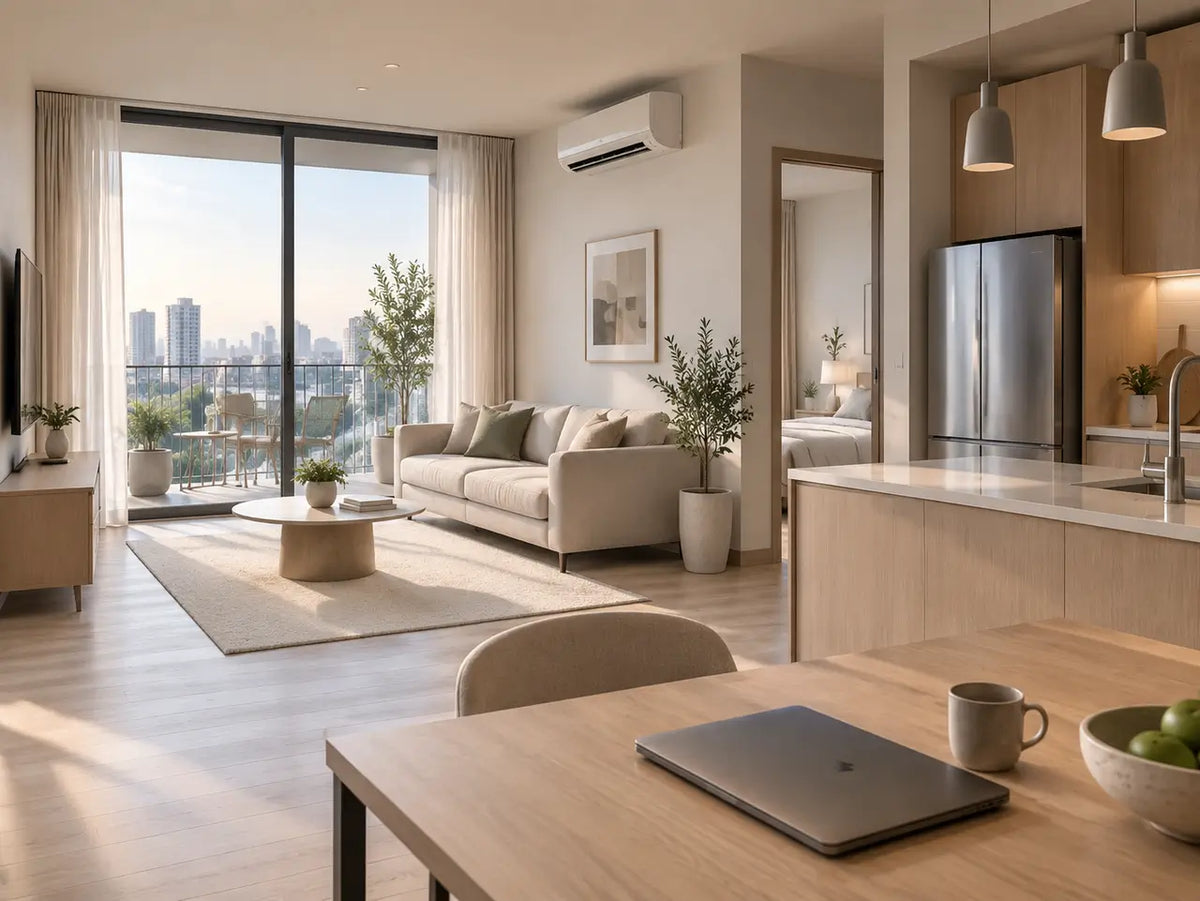
Picture a sunny afternoon at home. You are working on your laptop while the refrigerator and router are running. The television may be on, and several devices may be charging. These appliances still work exactly as usual, but part of the electricity they use can now come from the sunlight reaching your rental.
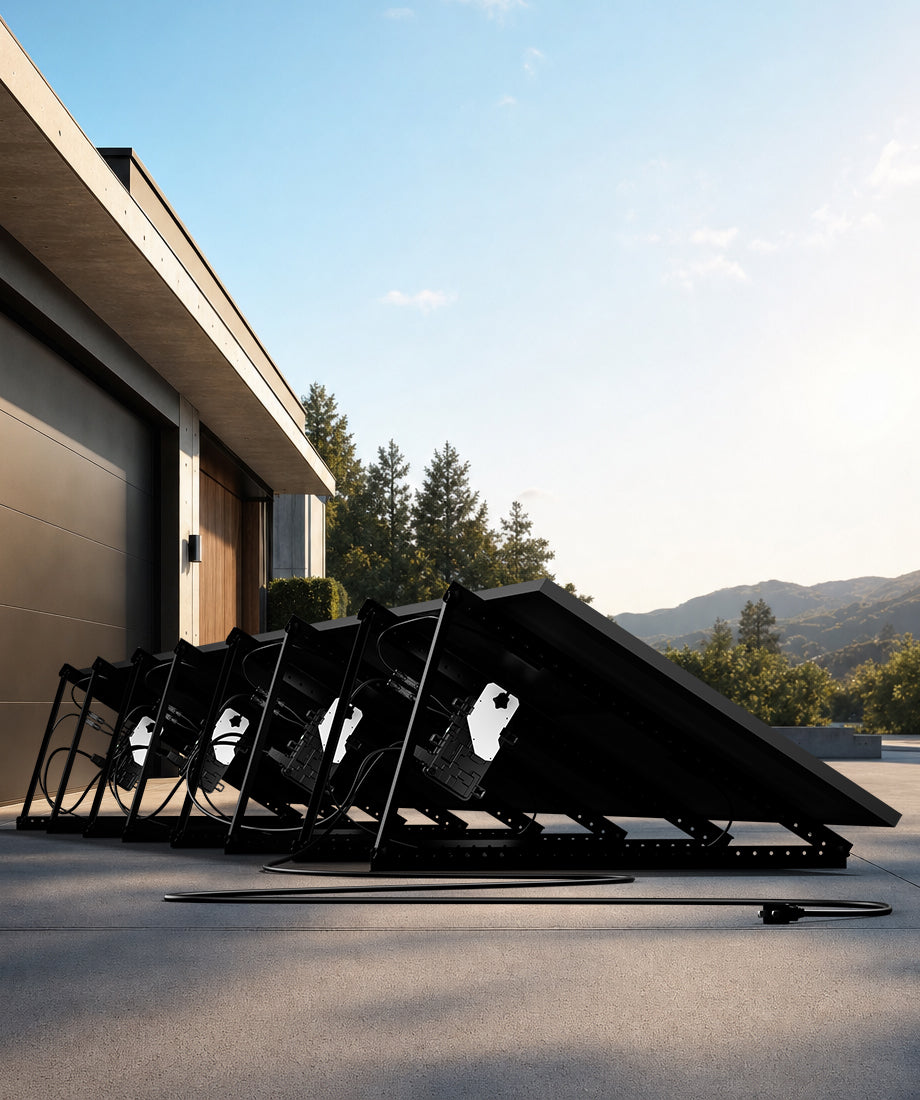
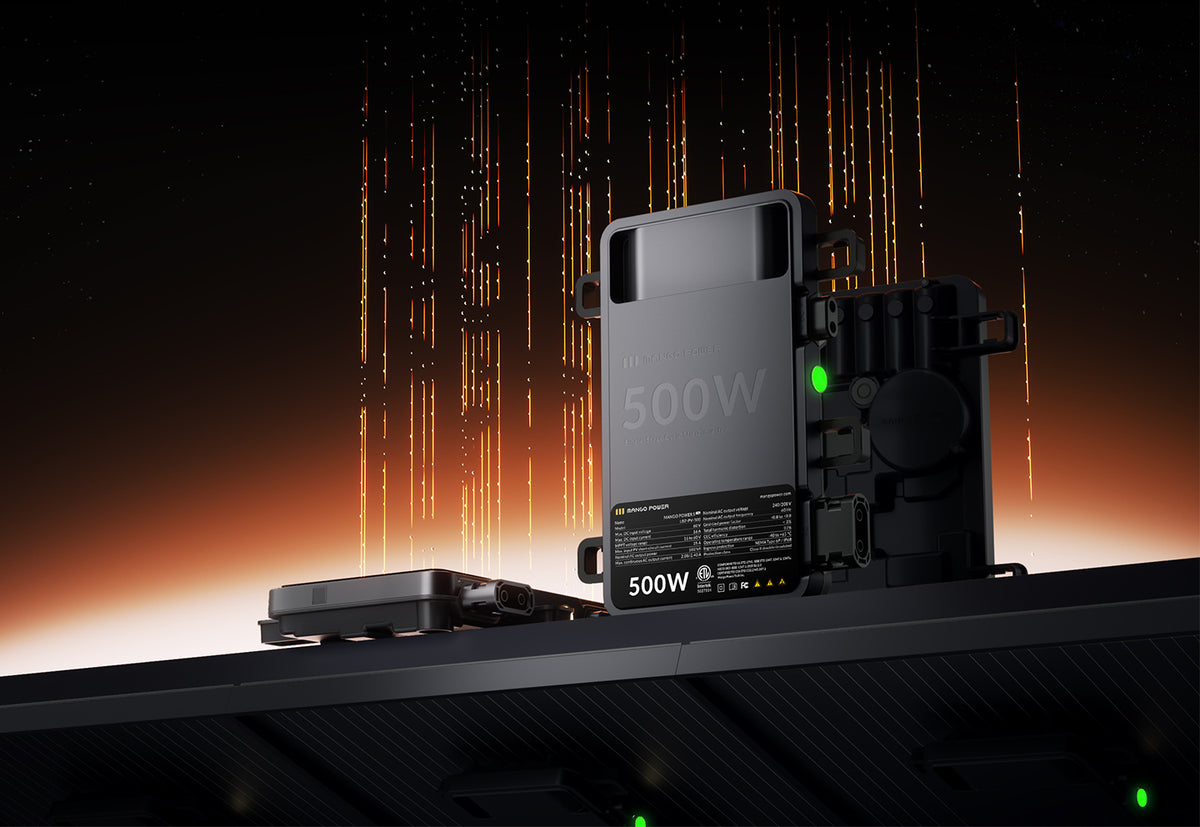
The kit includes four 300W panels, providing 1,200W of total rated DC capacity. Its four microinverters provide up to 1,120VA of combined nominal AC output.
That is enough solar capacity to help cover several everyday loads at the same time in good sunlight. A refrigerator, router, laptop, television, lights, and chargers may together use a few hundred watts, although actual appliance use varies by model.
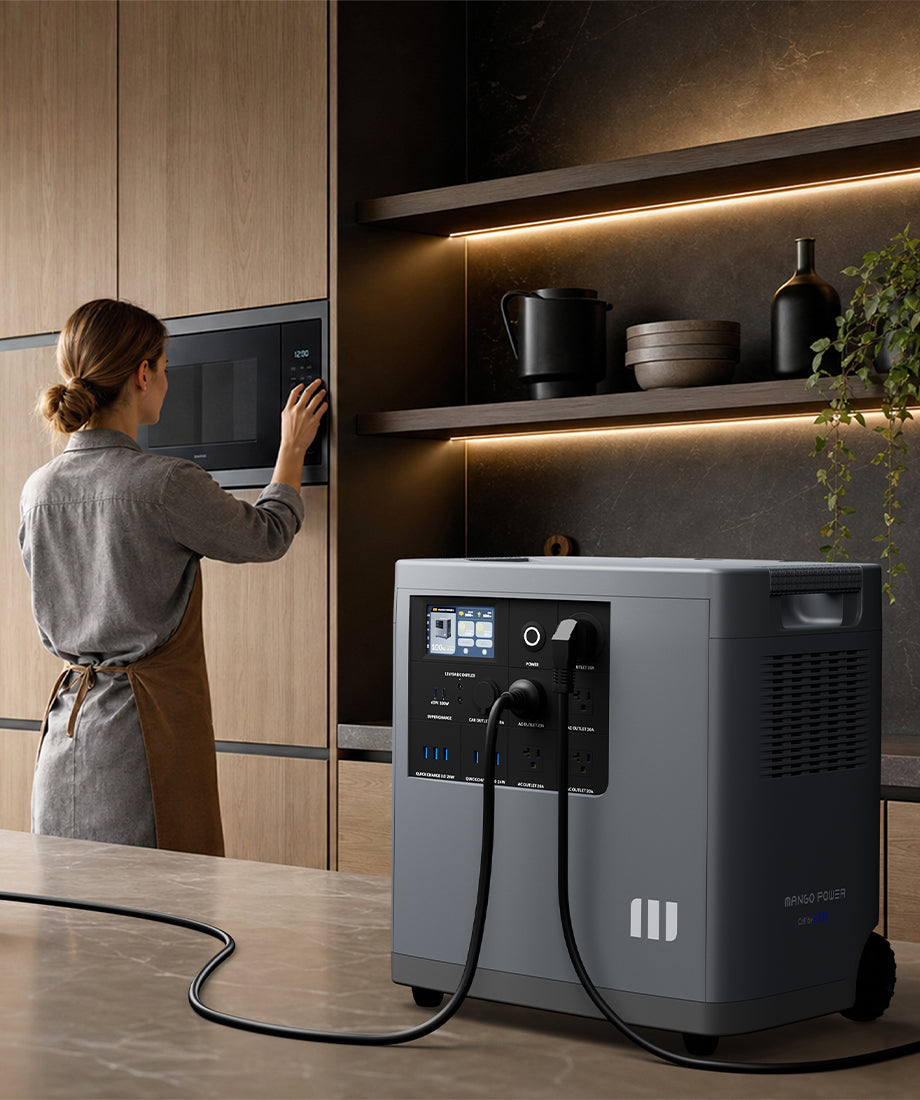
High-power appliances such as a microwave, electric kettle, space heater, or air conditioner may use most or all of the available solar output. They will continue working normally because the utility grid supplies any additional electricity they need.
Actual solar production changes with sunlight, shade, weather, panel direction, angle, and temperature. Maximum output is not required for the system to be useful. Every unit of solar electricity used in your home reduces the amount you need to buy from the utility.
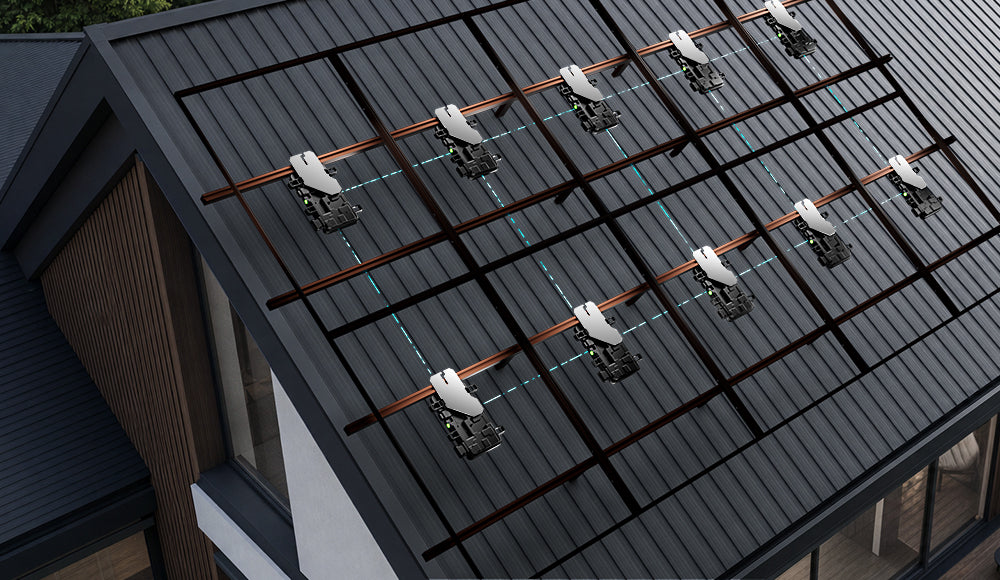
Each panel also has its own microinverter and MPPT. If a railing, tree, wall, or nearby building shades one panel, the panels still receiving sunlight can continue producing independently.
You do not need to change your daily routine. The sunlight outside simply begins covering part of the electricity your home already uses.

How Much Can Renters Save With Solar Panels?
Solar panels help renters save money by reducing the electricity purchased from the grid during the day.
Your savings mainly depend on:
- How much solar electricity the panels produce
- How much of that electricity your home uses while it is being produced
- The electricity rate charged by your utility
Use this formula:
Estimated annual savings = solar electricity used in your home × electricity rate
A Sunny Location Example
Consider a 1,200W system in a sunny location receiving an average of 5.5 peak sun hours per day.
First, estimate the annual solar energy:
1.2kW × 5.5 peak sun hours × 365 days = 2,409kWh per year
If electricity costs $0.18 per kWh:
2,409kWh × $0.18 = about $434 per year
Rounded to the nearest ten dollars, that is about $430 in potential annual electricity savings.
This example assumes that the home can use all the estimated solar electricity. Actual savings may be lower because of shade, weather, panel angle, system losses, output limits, and times when the panels produce more electricity than the home is using.
A renter who works from home may use more solar electricity during the day through the refrigerator, router, computer, television, lights, cooling, and other appliances. A rental that remains empty until evening may use less of the available solar power.
Use the NREL PVWatts Calculator to estimate solar production for your location. Then multiply the amount your home can use by the electricity rate shown on your bill.

How Do Plug-In Solar Panels Work in a Rental?
Each panel produces direct current electricity. A solar microinverter converts it into the alternating current used in your home. Once the approved system is connected, that electricity helps supply whichever appliances are running. You do not need to connect a panel directly to your refrigerator, router, or laptop.
For example, if your home is using 900W while the panels are producing 650W:
- Solar supplies 650W.
- The grid supplies the remaining 250W.
Your appliances continue working normally. You simply buy 650W less electricity from the utility at that moment.
If a cloud passes and solar production falls, the grid automatically supplies a larger share. There is no noticeable switch between solar and grid power.

What Happens When Your Home Uses Less Power?
Sometimes the panels could produce more electricity than your home is using.
Suppose the available solar output is 700W, but your home is using only 400W. When Zero Export is enabled, Smart Gateway Lite monitors the power flow and tells the microinverters to reduce their output closer to the 400W your home needs.
The remaining sunlight is simply not converted into electricity. Electricity does not build up inside the panels, and there is no extra power waiting to be discharged.
Will the Solar Panels Work During a Power Outage?
No. This plug-in solar system is designed to reduce the electricity you buy from the grid during normal operation. It is not a battery backup system.
When the grid goes down, the microinverters detect the outage and stop sending AC electricity into the home circuit. This anti-islanding protection prevents the solar system from energizing utility lines while technicians may be working on them.
The panels can remain in sunlight safely. Without the grid signal, the microinverters stop converting the available solar energy into AC power for your home. Electricity does not build up inside the panels.
Plug-in solar and battery backup solve different problems:
- Plug-in solar helps lower daytime grid use.
- Battery backup stores electricity for use when the grid is unavailable.
If keeping appliances running during an outage is your priority, a portable power station provides stored power for compatible appliances and devices.
How Are Solar Panels Installed in a Rental?
Installing solar panels at a rental is easier when you separate the outdoor setup from the electrical work.
You can prepare the approved location, assemble the supplied stands, position the panels, and organize the cables by following the PIPV installation guide.
Place the panels on a stable outdoor surface where they can receive useful sunlight. Keep doors, walkways, drains, shared areas, and emergency access clear. The cables should stay away from standing water, sharp edges, doorways, and places where people walk.
The panels also need to remain secure in local wind conditions. A ground-level patio may need a different securing method from an exposed balcony or terrace. Use the method covered by the product instructions and approved for the property.
A qualified electrician should check the electrical connection before the system is turned on. This includes the outlet, circuit, wiring, breaker, grounding, and any approved work involving Smart Gateway Lite or current sensors inside the electrical panel.
In simple terms:
- You prepare and position the outdoor equipment.
- The electrician checks and completes the electrical work.
Once both parts are complete, the system can begin producing solar electricity for the home during the day.

How Do You Protect Your Security Deposit?
A removable solar setup should leave the rental in the same condition you found it. A few photos and saved documents can make that much easier to show when you move.
Before installation, photograph the area where the panels will sit. Save the landlord’s written approval, the agreed panel location, and any electrical work that was approved.
During installation, follow the plan the landlord accepted. Do not drill into a wall, floor, or railing unless the written approval covers that exact method. Keep the panels, stands, and cables from scraping surfaces or damaging doors and walkways.
When it is time to move, photograph the setup before removing it. After everything has been taken away, clean the area, complete any agreed repairs, and take another set of photos.
You do not need to turn this into a complicated inspection process. The goal is simply to keep a clear record showing:
- What the area looked like before installation
- What the landlord approved
- How the equipment was installed
- What the area looked like after removal
Keep these photos and documents with your lease records until the security deposit has been returned.
What Happens to Your Solar Panels When You Move?

You can take a removable plug-in solar system with you when you move. Unlike permanent rooftop solar, the equipment does not have to remain with the property after your lease ends.
That means the system’s value does not automatically end when you leave one rental. Once it is safely removed and approved at the next address, the panels can continue helping reduce your daytime grid use in your new home.
Disconnect the System Safely
Follow the shutdown steps in the product manual before disconnecting the equipment.
A qualified electrician should remove Smart Gateway Lite, current sensors, or any other equipment installed inside the electrical panel. Do not leave live connections or system components behind.
Label the panel, microinverter, and cable connections as they are disconnected. This will make it easier to identify each part when the system is installed again.
Protect the Panels During the Move
Solar panels contain glass, so keep them upright and prevent them from sliding or striking each other during transport.
Protect the glass surfaces, corners, aluminum frames, cable connectors, microinverters, stands, and mounting hardware. Use the original packaging if it is still available. Otherwise, place protective material between the panels and secure them inside the vehicle.
Keep cables, fasteners, and smaller parts together in labeled containers. Before leaving, check that the complete four-panel system has been packed.
Restore the Rental
Remove the stands, cables, and any approved temporary fixings. Clean the installation area and complete any restoration required by your agreement.
Take final photos after the equipment has been removed. These give you a clear record of the condition in which the balcony, patio, deck, or yard was returned.
Check the New Address Before Reconnecting
Your old approval does not move with the equipment. The new rental may have a different landlord, utility, electrical system, panel location, or set of building rules.
Before reconnecting the system, confirm that:
- The new landlord approves the placement.
- Plug-in solar is allowed at the address.
- All four panels fit safely.
- The area receives useful sunlight.
- The electrical connection is suitable.
- Smart Gateway Lite can be installed if required.
Once the new location is approved and checked, the same panels can return to work. The view outside may change, but the sunlight can continue helping power your everyday life.
Conclusion
Renting does not mean the sunlight reaching your balcony, patio, deck, or yard has to go unused.
A removable solar setup can turn part of that sunlight into electricity your home uses during the day. Your refrigerator, Wi-Fi router, laptop, television, lights, and chargers keep working as usual, while solar helps reduce the amount of electricity purchased from the grid.
The MANGO POWER S PIPV 1200W kit brings the complete setup together:
- Four 300W solar panels
- One independent microinverter and MPPT for each panel
- Removable panel supports
- Matching connection cables
- Smart Gateway Lite for energy monitoring and Zero Export control
- App access for viewing solar production
The independent panel design is especially useful around rental homes. If a railing, tree, wall, or nearby building shades one panel, the panels still receiving sunlight can continue producing.
You can place the system in an approved outdoor area without committing to a permanent rooftop installation. When you move, the panels can move with you and return to work after the new location is approved and checked.
The sunlight is already reaching your rental. Put it to work powering everyday life and reducing your daytime electricity costs.
See whether the MANGO POWER S PIPV 1200W kit is right for your home.

FAQs
1. Can My Landlord Refuse Solar Panels?
Yes. A landlord may restrict exterior equipment, railing attachments, electrical work, or visible changes to the property.
Ask which part of the proposal is not allowed. A removable floor-supported setup or a different panel location may address the concern.
2. Do Removable Solar Panels Still Need Permission?
Usually, yes. Removable equipment can still affect the appearance, safety, electrical system, and condition of the rental property.
Get written approval for the actual panel location and mounting method before installation.
3. Will Solar Panels Affect My Security Deposit?
They may affect your deposit if the installation causes damage or does not follow the approved plan.
Save the landlord’s approval, take photos before installation, and photograph the area again after the equipment has been removed and the space restored.
4. Can I Install Solar Panels Without Drilling?
A removable floor-supported installation may avoid drilling into the property.
The panels still need to be secured for local wind conditions. Use a method covered by the product instructions and approved for the installation area.
5. Do I Need an Electrician?
You can assemble the stands and position the panels according to the approved plan and installation guide.
A qualified electrician should check the outlet, circuit, wiring, breaker, grounding, and any work involving Smart Gateway Lite or the electrical panel.
6. Can I Take the Solar Panels With Me When I Move?
Yes. Shut down and disconnect the system safely, protect the panels during transport, and restore the installation area before leaving.
A qualified electrician should remove any Gateway equipment or current sensors installed inside the electrical panel.
7. Can I Use the System Immediately at My New Rental?
No. Get approval for the new panel location and confirm the local utility and electrical requirements before reconnecting the system.
The new home may have different sunlight, building rules, circuit conditions, and installation needs.
Resources
- NREL PVWatts Calculator
- U.S. Department of Energy: Solar Permitting, Inspection, and Interconnection
- Utah Legislature: H.B. 340
- Maine Legislature: L.D. 1730
- Vermont Legislature: Act 149
- Maryland General Assembly: H.B. 39
- Bundesnetzagentur: Balcony Solar Guidance
- E-Control Austria: Mini-PV Systems
- Enedis: Solar Self-Consumption Requirements

Written by Power Mango

Leave a comment
This site is protected by hCaptcha and the hCaptcha Privacy Policy and Terms of Service apply.